Basics
What is an AI math homework helper?
A clear definition of photo solving, step-by-step tutoring, and what Eqora is built to do.
6 min readガイドを読む →Eqora ガイド
AI 髪型シミュレーションを慎重に使い、美容室での相談をより具体的にするための実用ガイドです。


Basics
A clear definition of photo solving, step-by-step tutoring, and what Eqora is built to do.
6 min readガイドを読む →
Scan & solve
A practical workflow from camera capture to a readable step-by-step solution.
5 min readガイドを読む →
Learning
Make each solution a short lesson instead of a black-box answer.
6 min readガイドを読む →
Tutor tips
Prompt patterns that turn a first solution into real clarity.
5 min readガイドを読む →
Subjects
Equations, factoring, functions, and practice loops that stick.
7 min readガイドを読む →
Exams
A week-before plan that mixes review, timed practice, and weak-spot drills.
7 min readガイドを読む →
Learning
Study habits that turn AI help into lasting math confidence.
5 min readガイドを読む →
Scan & solve
Lighting, framing, and handwriting habits that reduce misreads.
4 min readガイドを読む →
Homework
A realistic session plan for finishing assignments without losing the learning.
6 min readガイドを読む →
Subjects
Limits, derivatives, and integrals with explanations you can interrogate.
7 min readガイドを読む →
Tools
When a picture of the function makes the next homework step obvious.
5 min readガイドを読む →
Practice
Turn a solved problem into spaced practice before the test.
5 min readガイドを読む →実用的な学習ルート
六つのガイドは、入力写真、髪型と髪色の比較、判断の整理、専門家との会話を順番に支えます。
An AI math homework helper combines problem recognition with explanations you can follow. Instead of only returning a final answer, it aims to show the method—so you can finish tonight’s assignment and still recognize the approach on a quiz.
Eqora is an iOS app that lets you scan a problem or type a question, then chat for step-by-step help. It also includes Learn Math topics and everyday tools such as a calculator and converters.
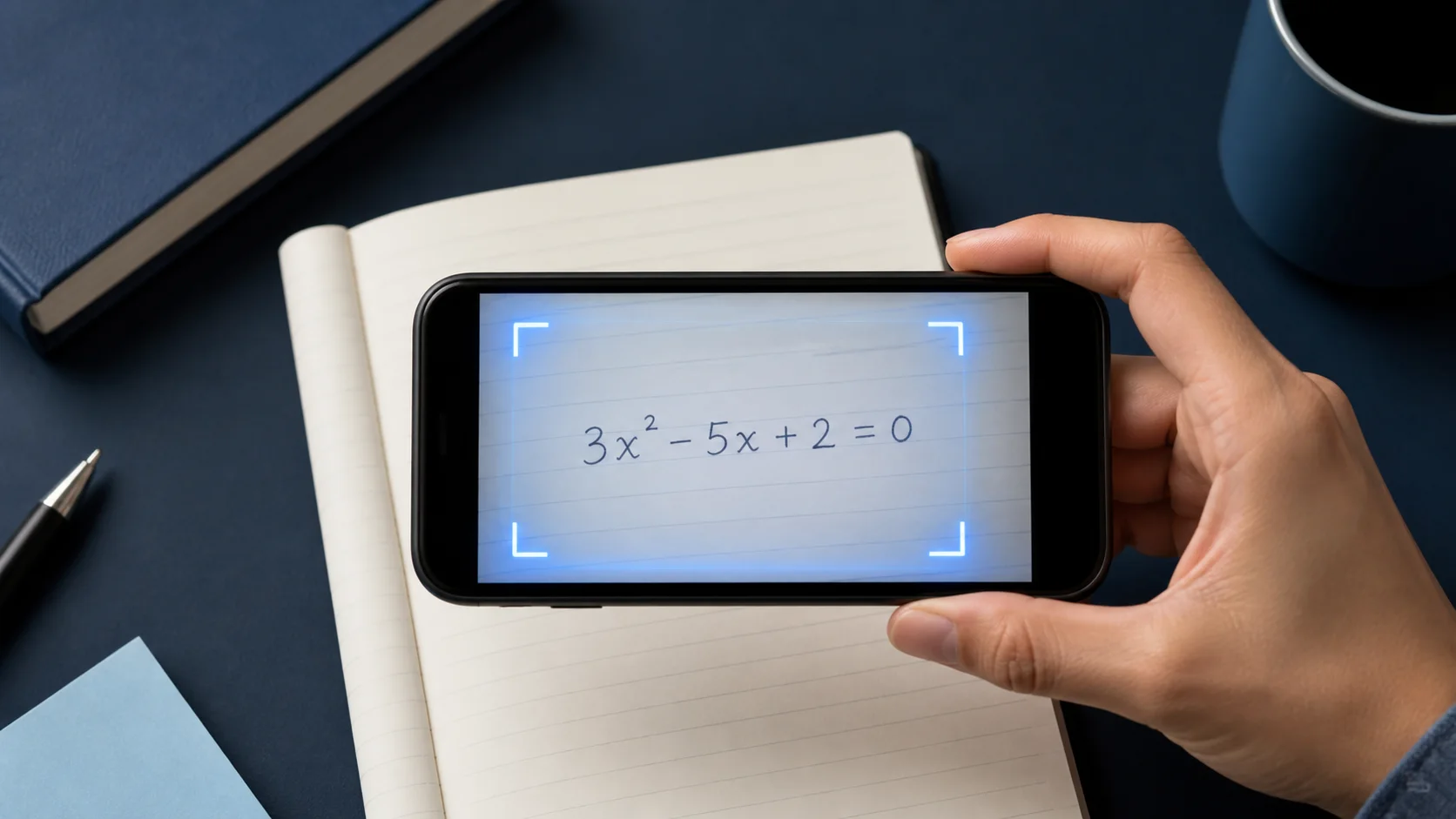
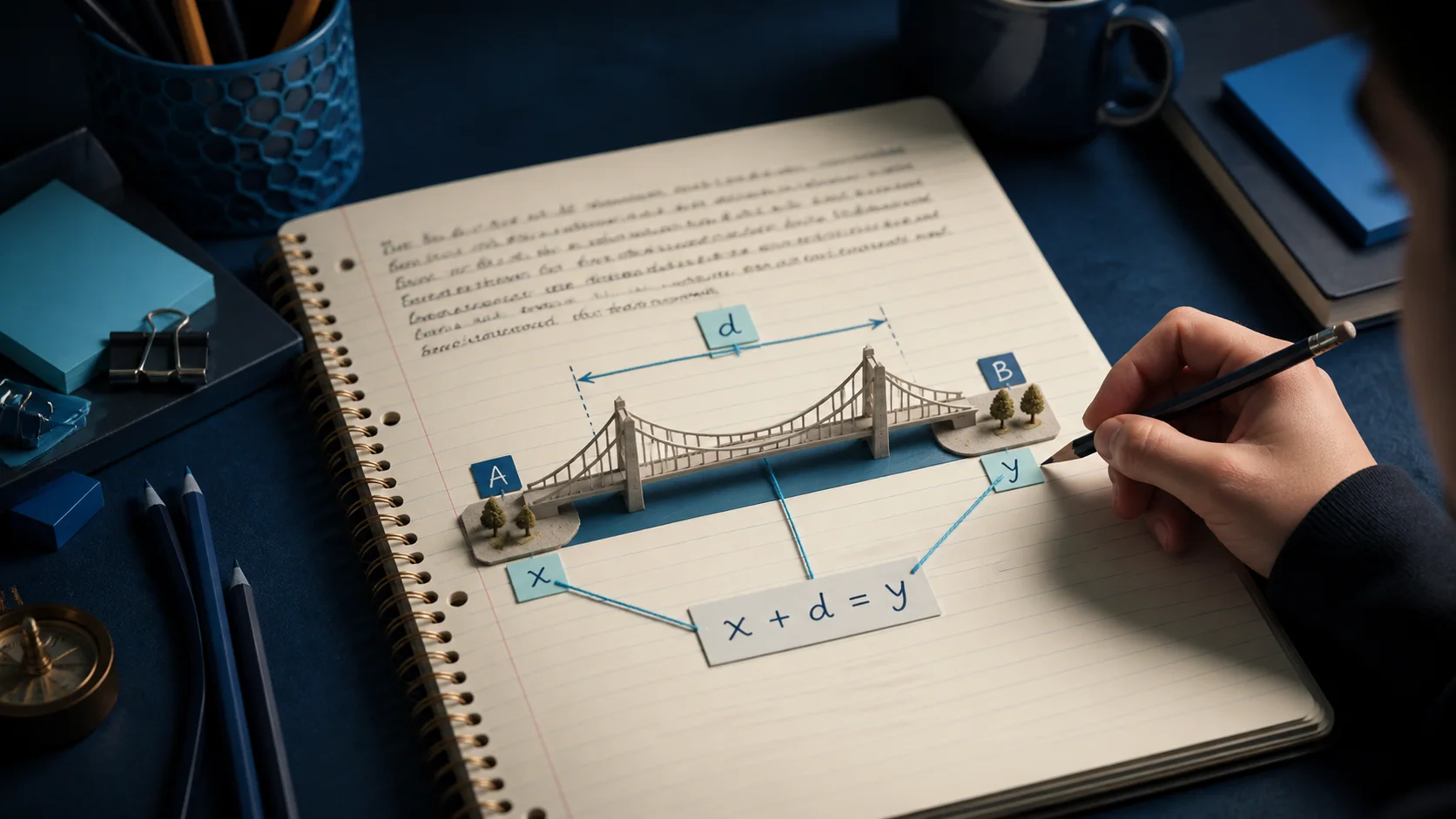
Photo solving is for worksheets, textbooks, and notebook pages. You capture the problem, crop if needed, and receive a guided solution.
Typed or chat questions are better when you can describe the confusion in words: a definition, a stuck step, or a practice variation.
Scan & Solve is fastest when the photo already contains a complete, readable question. This guide walks through the capture habit that produces clearer explanations.
Include every part of the prompt: the equation, given values, and any instruction such as “simplify” or “round to two decimals.”
If the page has multiple exercises, crop to the one you are working on.
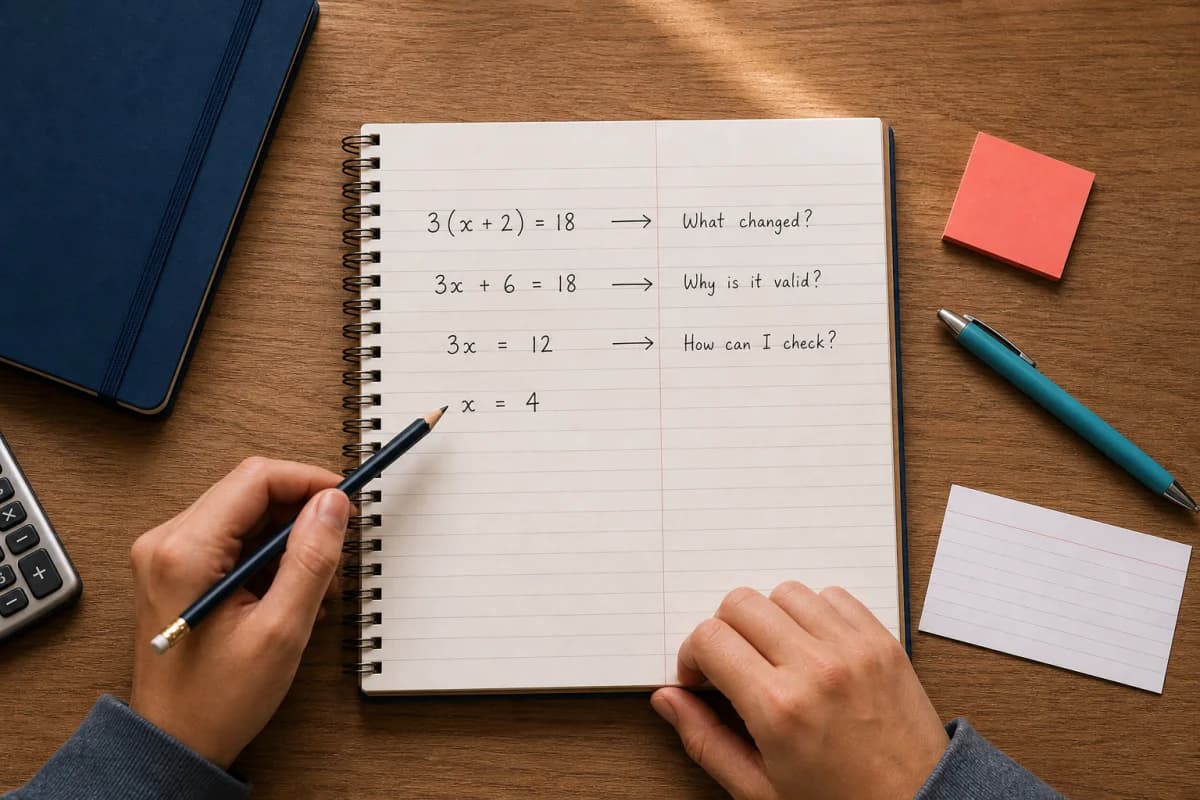
A step-by-step solution is only useful if you can replay the method later. Eqora is designed to show the path, then let you ask why each move works.
Before accepting steps, restate what the question wants: solve for x, simplify, prove, find area, evaluate a limit.
That goal check catches misread prompts early.
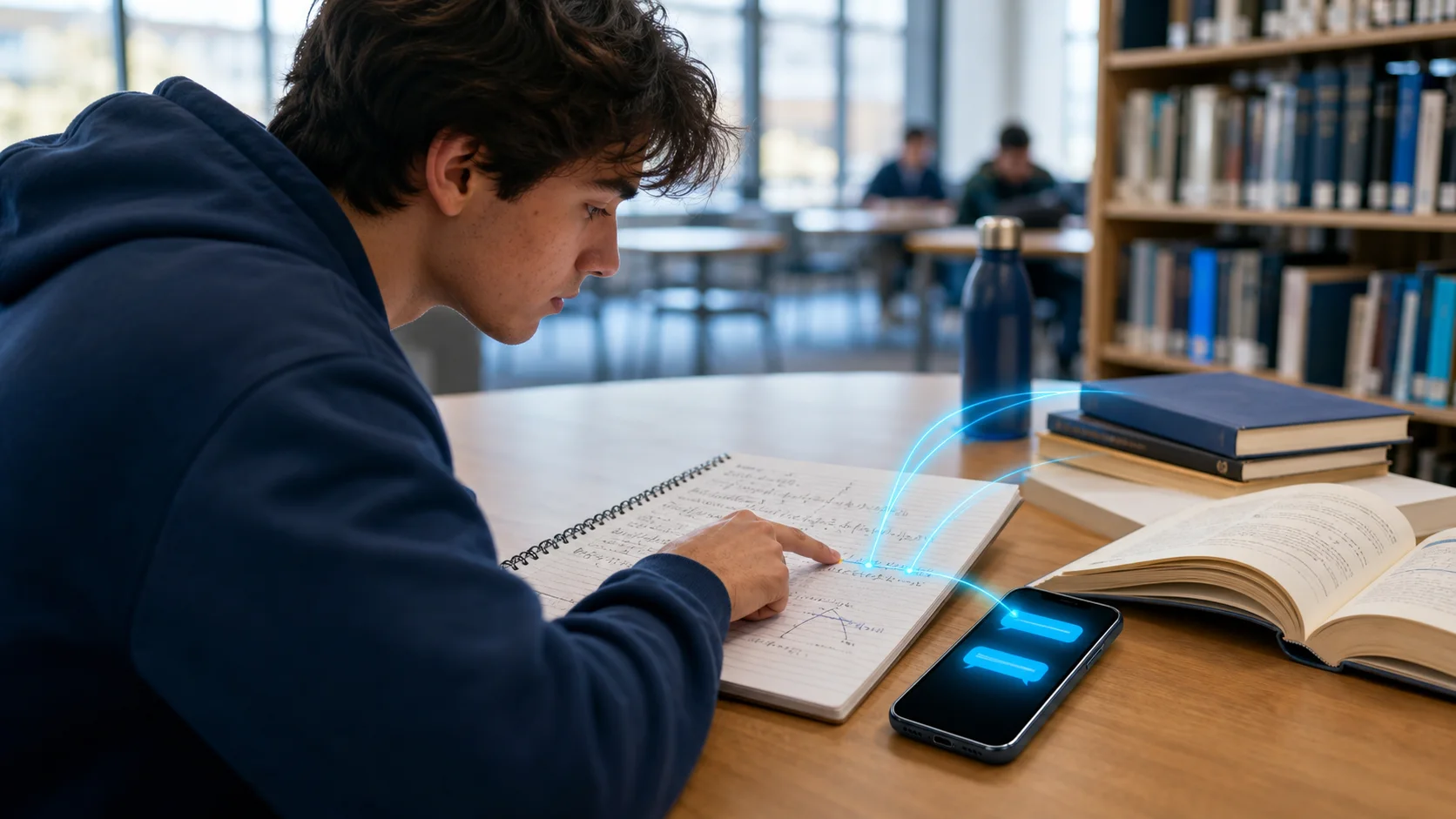
The first answer is rarely the whole lesson. Follow-ups are where tutoring happens—especially when a step feels magical or unexplained.
Ask narrowly. “Why did we multiply both sides by the denominator in step 3?” beats “I don’t get it.”
Algebra is where many students first need more than a calculator. Eqora helps you isolate variables, factor expressions, and check function behavior with explanations you can reread.
Scan a worksheet equation, ask for the solving strategy, then request a twin problem with different coefficients.
For functions, ask what happens to the graph when a parameter changes, then use a graph artifact when a visual helps.
Exam prep fails when it is only last-minute answer checking. Use Eqora to rebuild methods, then close the book and practice under time pressure.
List chapters and mark confidence. Open Learn Math for low-confidence topics before grinding problem sets.
Eqora’s onboarding line captures the product promise: understand the method, not just the answer. This guide makes that habit concrete.
Pass one: attempt alone. Pass two: use Eqora only on the stuck step. Pass three: redo a similar problem with the app closed.
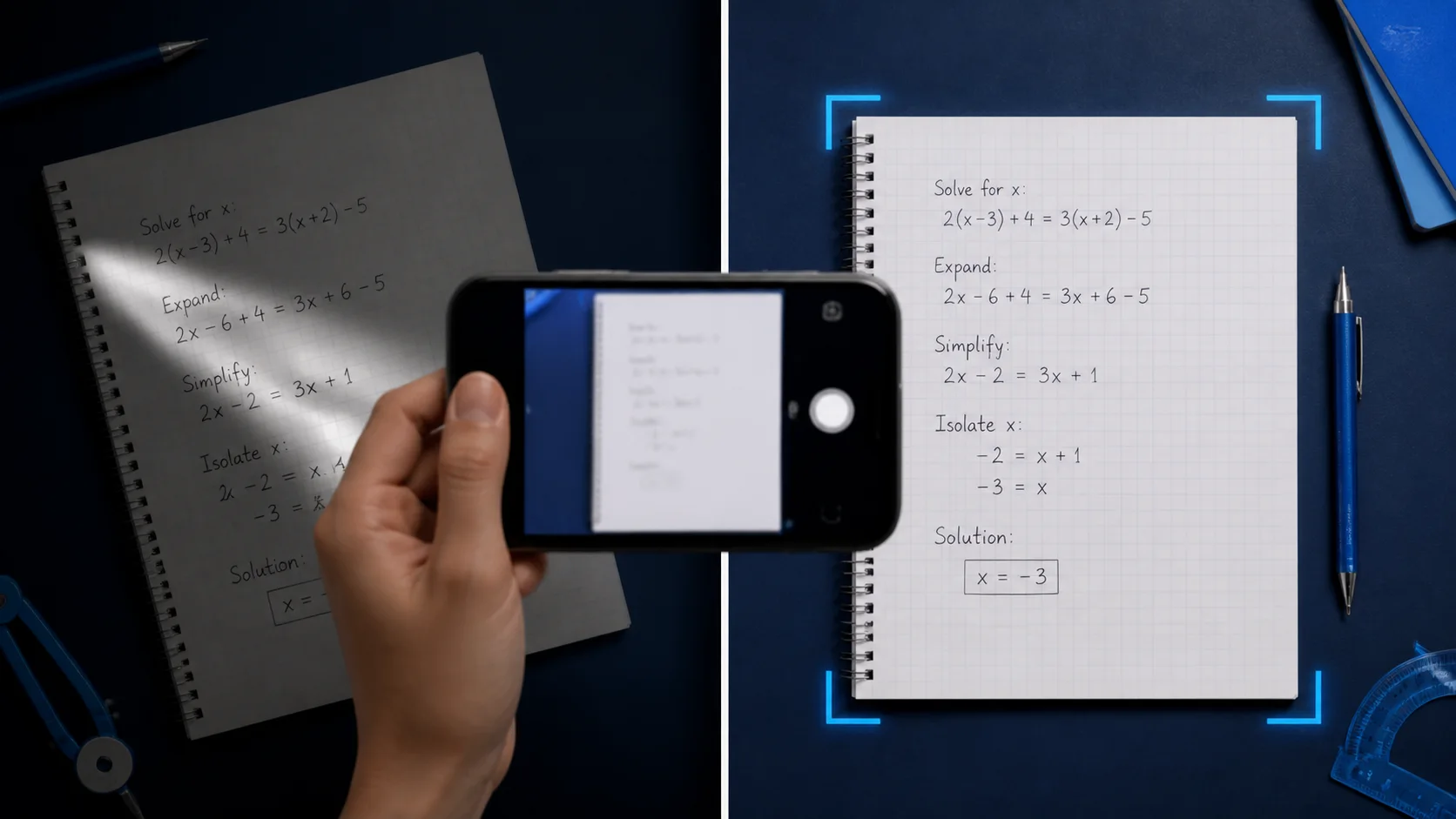
Most scan failures are photo failures. Improve the input before assuming the solver misunderstood the math.
Shoot from directly above the page when possible. Avoid harsh overhead shadows and window glare on glossy paper.
Homework night goes better with a simple script: attempt, get unstuck, verify, move on. Eqora fits in the middle of that script.
Set a timer for a first solo attempt. Scan only the problems that still block you. Ask one clarifying follow-up per stuck step. End by redoing one problem cold.
Calculus rewards concept clarity. Eqora helps you unpack definitions and worked examples, then practice until the notation stops feeling opaque.
Ask what a derivative means geometrically before grinding quotient-rule drills. Then scan homework for the mechanical practice.
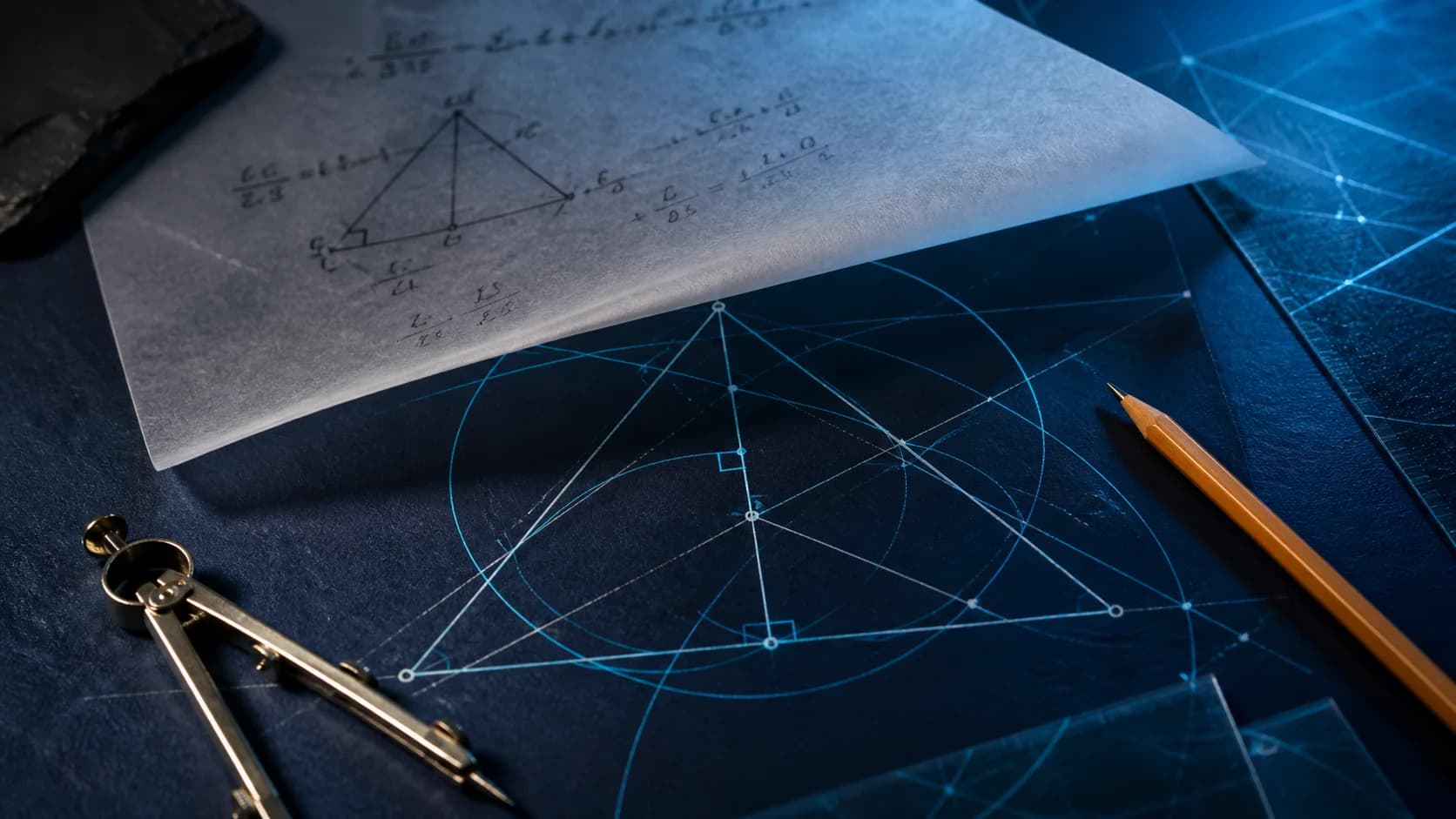
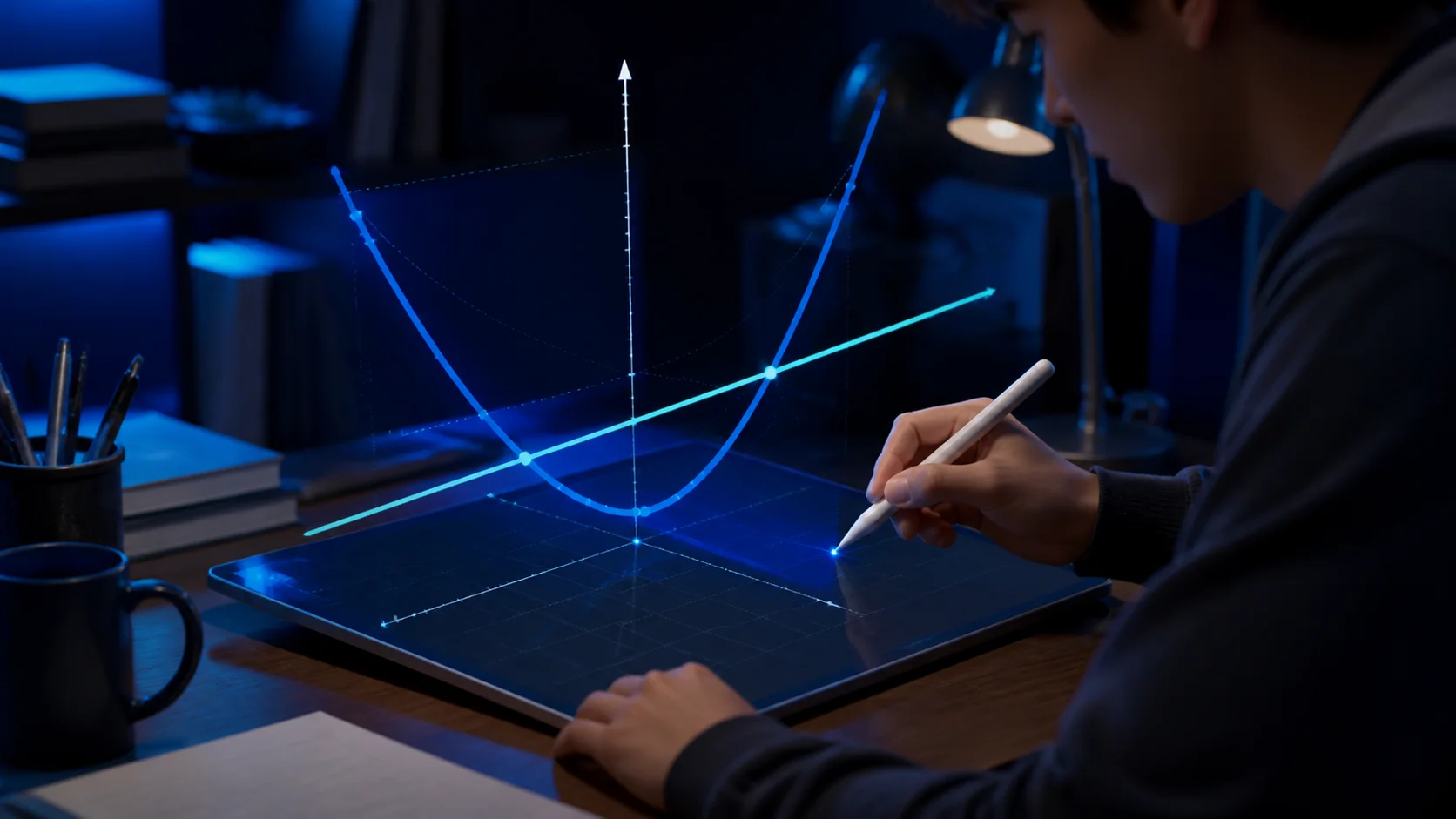
Some algebra only clicks when you see the curve. Eqora can generate graph artifacts from tutoring so intercepts, slope, and transformations become visible.
Use a graph when comparing two functions, checking roots, or understanding how a parameter shift moves a curve.
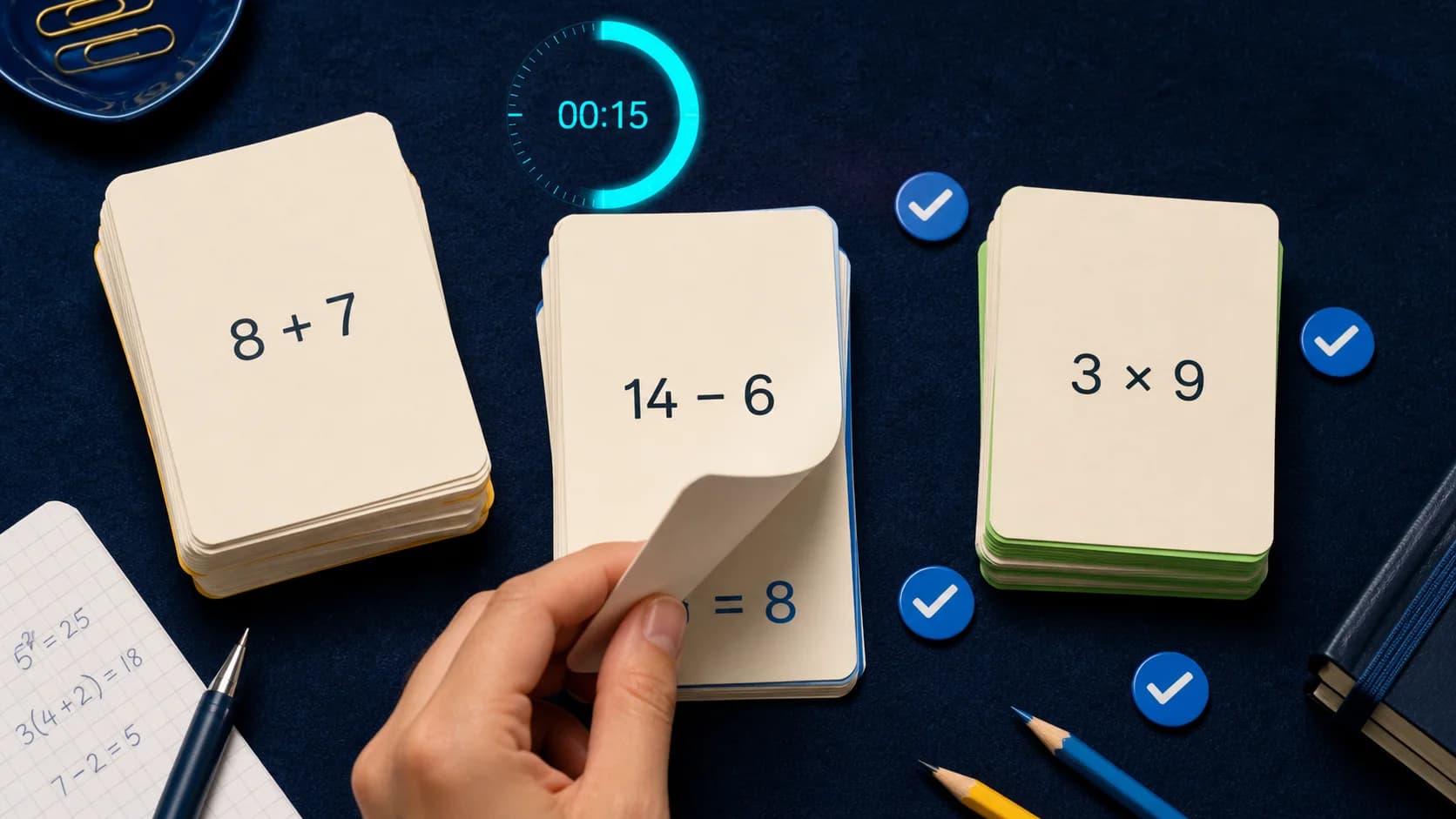
Solved once is not mastered. Eqora can turn a tutoring session into flashcards or a quiz so you rehearse the idea later.
Ask for three flashcards covering the rule, a worked micro-example, and a common mistake. Quiz yourself the next day.
各テーマをさらに詳しく
次の手順、確認項目、質問を読み、比較を現実的な準備へつなげましょう。
A useful helper explains why a move is valid—factoring, substituting, applying an identity—not only what the final number is.
Hold the phone steady, avoid motion blur, and watch for glare on glossy textbook pages.
For each step, name the rule in your own words: distribute, isolate, apply Pythagorean identity, differentiate both sides.
Ask Eqora to restart from the previous line with more detail, or to explain the prerequisite concept from Learn Math.
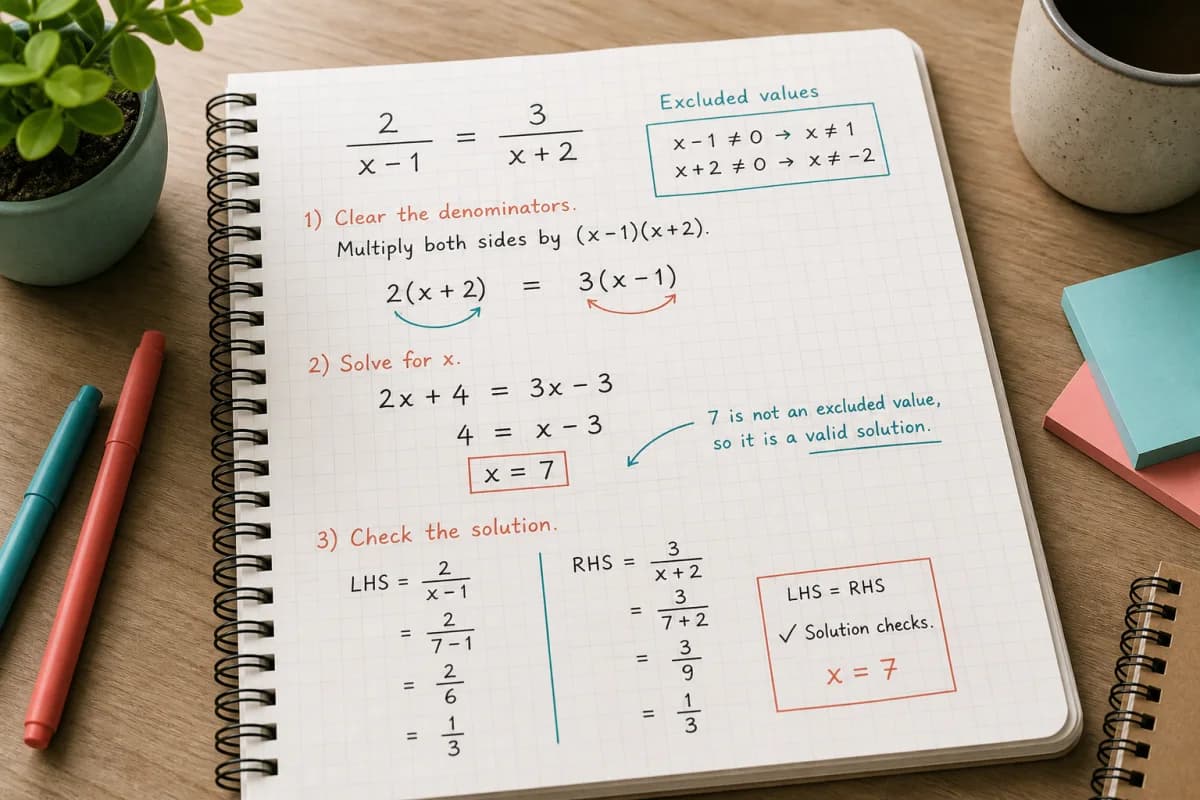
Sign errors, lost solutions after dividing, and domain mistakes show up constantly. Ask Eqora to check for extraneous solutions when square roots or absolute values appear.
Attempt problems first, then scan or ask only where you are stuck. Create quizzes for the weakest two topics each day.
If you cannot teach the solution to a classmate in two minutes, ask for a simpler explanation or a prerequisite review.
Close the loops on 0/6/8, keep exponents clearly raised, and separate stacked fractions.
If three problems fail for the same reason, stop grinding and open the related Learn Math topic before continuing the set.
Request a graph for a function family when you need to see growth, extrema, or area under a curve.
A graph supports intuition; exams still ask for exact algebraic work. Use both.
Pick your two weakest topics from the week and generate a short quiz. Review misses in tutor chat immediately.